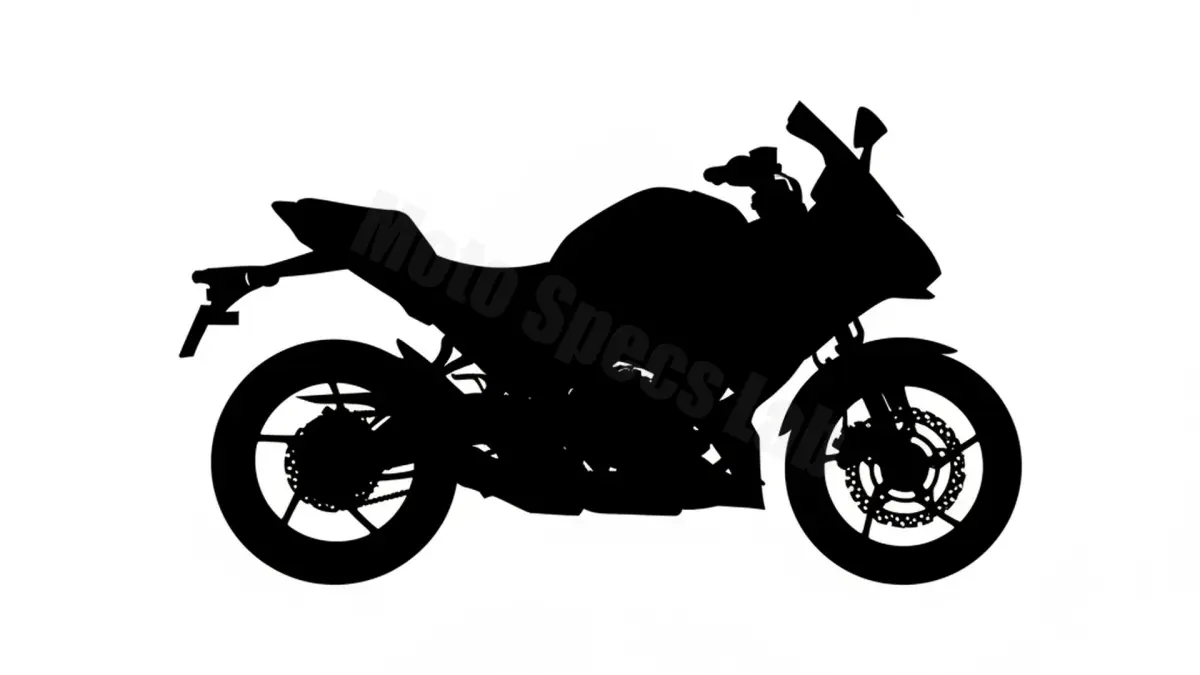
| Parameter | Specification |
|---|---|
| Model Designation | EX650S/25 |
| Engine Type | 649cc Parallel-Twin |
| Engine Oil | SAE 10W-40 API SG-SM JASO MA2 (1.8 L) |
| Tire Dimensions | F: 120/70 ZR 17 / R: 160/60 ZR 17 |
| Tire Pressure | F: 32 psi / R: 36 psi |
| Spark Plug | NGK CR9EIA-9 |
| Battery | YTX9-BS |
Engineering Highlight: The 2025 Kawasaki Ninja 650 continues to refine its signature 180-degree crankshaft parallel-twin architecture. A little-known engineering detail of the EX650 series is its semi-dry sump oil system. By utilizing this design, Kawasaki engineers were able to position the crankshaft lower in the chassis, significantly reducing the center of gravity and contributing to the Ninja 650’s legendary flickability in tight corners.
Technical Review: The Mid-Weight Standard
At MotoSpecsLab, we evaluate the EX650S/25 as the benchmark for the sport-standard category. The trellis frame, inspired by the Ninja H2, provides a rigid yet lightweight foundation. For 2025, the integration of Kawasaki TRaction Control (KTRC) offers two modes that manage wheelspin via ignition timing and air flow, ensuring the 649cc powerplant remains accessible to all skill levels.
Maintenance Guide
Lubrication System
The 2025 Ninja 650 requires 1.8 Liters of oil when changing the filter. To maintain the wet clutch’s integrity and prevent slippage, owners must use SAE 10W-40 meeting JASO MA2 standards. Using automotive-grade oils without the MA2 rating can lead to premature clutch plate wear.
Chassis and Tires
The handling dynamics of the EX650S/25 are highly sensitive to tire pressure. Maintain the Front at 2.25 bar (32 psi) and the Rear at 2.50 bar (36 psi). The factory fitment utilizes 120/70-17 and 160/60-17 radial tires, a combination that balances stability with a quick turn-in rate.
Electrical & Ignition
The 2025 model utilizes the NGK CR9EIA-9 Iridium spark plug. These plugs feature a fine-wire electrode that improves throttle response and provides a more consistent spark at high RPMs. The electrical system is supported by the YTX9-BS battery; given the Ninja’s modern electronics suite, maintaining a charge above 12.6V is critical for the ECU’s health.
Conclusion
The Kawasaki Ninja 650 (EX650S/25) remains a masterclass in balanced engineering. By adhering to the precise maintenance specs outlined above, riders can ensure the longevity and performance of this sophisticated parallel-twin machine.