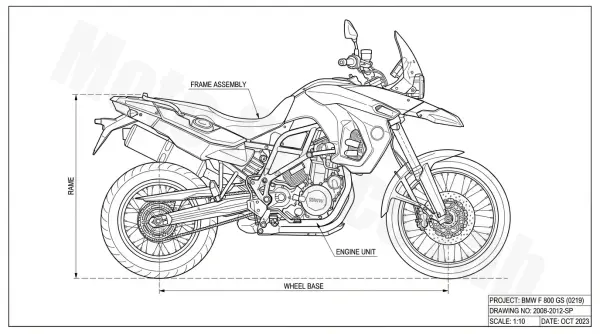
Comprehensive Maintenance Guide for BMW F 800 GS (2008–2012) – Model 0219
The BMW F 800 GS (Model 0219), produced between 2008 and 2012, remains one of the most iconic middleweight adventure motorcycles ever built. Powered by the reliable 798cc Rotax parallel-twin engine, this machine is designed for both transcontinental touring and rugged off-road exploration. However, to maintain its “unstoppable” reputation, a rigorous maintenance schedule is non-negotiable.
This guide provides a deep dive into the essential service requirements, technical specifications, and DIY tips for the first-generation F 800 GS. Whether you are preparing for a BDR (Backcountry Discovery Route) or performing a seasonal refresh, this optimized guide covers everything you need to know.
1. Understanding the Service Intervals
BMW recommends a service every 10,000 km (6,000 miles) or annually, whichever comes first. For riders who push their bikes in dusty, muddy, or high-heat environments, halving these intervals is highly recommended.
| Component | Interval (KM / Miles) | Action Required |
|---|---|---|
| Engine Oil & Filter | 10,000 km / 6,000 mi | Replace |
| Air Filter | 10,000 km / 6,000 mi | Inspect/Replace (more often off-road) |
| Valve Clearance | 20,000 km / 12,000 mi | Check and Adjust |
| Spark Plugs | 20,000 km / 12,000 mi | Replace |
| Brake Fluid | Every 2 Years | Flush and Bleed |
| Coolant | Every 2-4 Years | Inspect/Replace |
2. Engine Oil and Filter Change
The lifeblood of your F 800 GS is its oil. The Rotax engine uses a semi-dry sump system. Using the correct viscosity ensures the wet clutch and internal gears remain protected under high loads.
Technical Specifications:
- Oil Capacity: 2.9 Liters (3.1 US Quarts) with filter change.
- Recommended Grade: SAE 10W-40 or 15W-50 (API SJ / JASO MA2).
- Drain Plug Torque: 40 Nm.
- Oil Filter Torque: 11 Nm (Hand tight plus 1/4 turn is usually sufficient).
The DIY Process:
1. Warm the engine to operating temperature to ensure the oil flows freely.
2. Place the bike on the center stand.
3. Remove the aluminum skid plate (if equipped).
4. Place a drain pan under the 24mm drain bolt located at the bottom of the engine.
5. Remove the oil filter using a 76mm 12-flute wrench.
6. Pro Tip: Always replace the copper crush washer on the drain plug to prevent slow leaks.
7. Fill with 2.9L of oil, start the engine for 30 seconds, let it settle, and check the dipstick (do not screw the dipstick in when checking levels on this model).
3. Air Filter Maintenance
The airbox on the F 800 GS is located where the “fuel tank” would traditionally be. Because the intake is positioned high, it stays cleaner than many bikes, but fine dust from trail riding can quickly clog the paper element.
Maintenance Steps:
Remove the center faux-tank plastic cover (Torx T25 bolts). Undo the clips on the airbox lid. If using a standard paper filter, replace it if it appears grey or clogged. For frequent off-roaders, consider upgrading to a Uni-Filter or K&N oiled foam filter, which can be cleaned and reused.
4. Drive Chain and Sprocket Care
Unlike its larger R 1200 GS sibling, the F 800 GS uses a 525 O-ring chain. Proper tension and lubrication are critical for longevity, especially since the long-travel suspension puts significant stress on the chain.
Chain Tension Specs:
- Slack: 35mm – 45mm (measured on the side stand at the tightest point).
- Rear Axle Nut Torque: 100 Nm.
Note: A chain that is too tight will damage the countershaft bearing, a very expensive repair. Always err on the side of slightly loose rather than too tight.
5. Valve Clearance Check (The 20k Service)
The 20,000 km (12,000 mile) service is the “big one.” The F 800 GS uses a shim-under-bucket design. While the valves on these engines are known to stay in spec for a long time, checking them is vital to prevent burnt valves or poor starting.
Clearance Specs (Cold Engine):
- Intake: 0.18mm – 0.26mm
- Exhaust: 0.30mm – 0.38mm
Accessing the valve cover requires removing the battery, airbox, and several electrical connectors. If you find the valves out of spec, you must remove the camshafts to replace the shims. This is an advanced DIY task; if you aren’t comfortable timing an engine, consult a professional.
6. Braking System: Pads and Fluid
The 2008–2012 models feature Brembo calipers. The front dual-disc setup provides excellent stopping power, but the rear brake is known for being slightly “wooden” and can wear pads quickly if you ride off-road in the standing position.
Inspection:
- Minimum Pad Thickness: 1.0mm.
- Fluid Type: DOT 4 only.
ABS Note: If your 0219 model is equipped with ABS, flushing the fluid is even more critical. Old fluid can crystallize inside the ABS pump, leading to a failure that costs upwards of $1,500 to replace. Flush the brakes every two years regardless of mileage.
7. Cooling System Health
The F 800 GS runs hot, especially in slow traffic. The cooling system must be in top shape to prevent head gasket issues.
- Coolant Type: Nitrite-free ethylene glycol (Long-life).
- Common Issue: The plastic water pump gear and the “weep hole” on the right side of the engine. If you see oil or coolant leaking from the small hole below the water pump, the internal seals are failing.
8. Electrical System: Stator and Battery
The 2008–2012 F 800 GS models are notorious for stator burnout. The flywheel design in these early years did not allow for enough cooling airflow, causing the stator windings to cook themselves, usually around the 40,000–60,000 km mark.
Diagnostic Tips:
Use a multimeter to check the battery voltage while the engine is running at 4,000 RPM. You should see 13.8V to 14.2V. If it stays below 13V, your stator or voltage regulator is likely failing. Many owners retrofit the 2013+ vented flywheel or an aftermarket Series Regulator (like the SH775) to mitigate this heat.
9. Suspension and Bearings
The 2008–2012 models feature non-adjustable 45mm Marzocchi forks. Over time, the fork oil shears down and loses its damping properties.
- Fork Oil: Replace every 30,000 km. Use 7.5W oil for standard riding or 10W for a firmer feel.
- Steering Head Bearings: These are a known weak point. Check for a “notchy” feeling in the center or play in the handlebars. Replace with high-quality tapered roller bearings (e.g., All Balls or SKF).
- Wheel Bearings: If you pressure wash your bike, you will likely kill the wheel bearings. Check for lateral play during every tire change.
10. Fuel System and Spark Plugs
Early F 800 GS models (0219) occasionally suffered from fuel pump controller failures. Carrying a “bypass cable” is a common hack for long-distance travelers. For routine maintenance:
- Spark Plugs: Use NGK DCPR8E. Ensure they are gapped to 0.8mm – 0.9mm.
- Fuel Filter: The filter is integrated into the fuel pump assembly inside the tank. It is not considered a “serviceable” item by BMW, but if you experience stalling, the entire assembly may need cleaning or replacement.
11. Critical Torque Values for F 800 GS Owners
To perform maintenance safely, keep these torque settings handy:
- Front Axle Bolt: 30 Nm
- Front Axle Pinch Bolts: 19 Nm
- Rear Axle Nut: 100 Nm
- Front Brake Caliper Bolts: 30 Nm
- Spark Plugs: 12 Nm
- Handlebar Clamps: 25 Nm
Summary: Keeping the Legend Alive
The BMW F 800 GS 2008-2012 is a mechanical masterpiece that rewards the proactive owner. By staying on top of oil changes, monitoring the stator’s health, and ensuring the chain is properly tensioned, you can easily see this engine surpass 150,000 kilometers.
Regular maintenance isn’t just about reliability; it’s about safety. A well-maintained 0219 model retains its value and remains one of the most capable adventure bikes on the used market today. For any DIY enthusiast, the F 800 GS is a logical, easy-to-work-on machine that embodies the spirit of Make Life a Ride.
Disclaimer: This guide is for informational purposes. Always consult your official BMW Service Manual before performing repairs. Proper mechanical knowledge and tools are required for many of the tasks listed above.