
| Specification | Data Reference |
|---|---|
| Production Years | 2016 – 2020 |
| Engine Oil | SAE 10W-40, 10W-50, 15W-40, 20W-40, 20W-50 (4.0 L) |
| Tire Dimensions | F: 120/70 ZR 17 / R: 180/55 ZR 17 |
| Tire Pressure | Front: 2.5 bar (36 psi) / Rear: 2.9 bar (42 psi) |
| Battery Type | GT14B-4 |
| Spark Plug | NGK CPR8EA-9 |
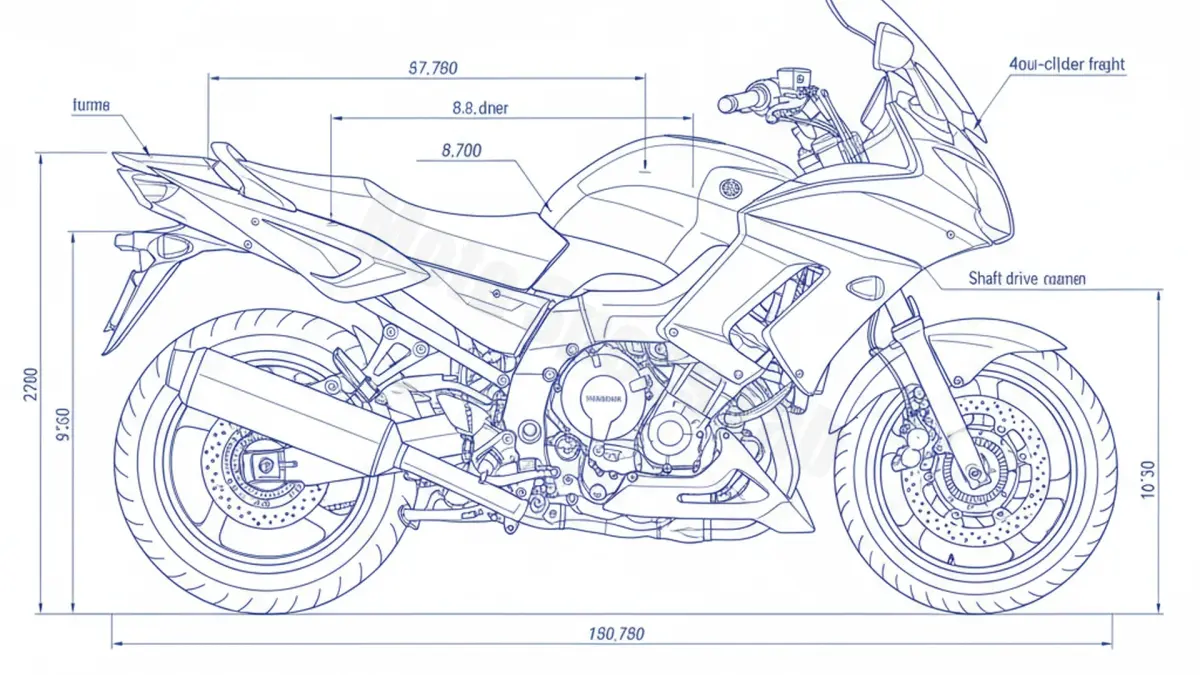
The Yamaha FJR 1300 AS (RP28AS) represents the final mechanical zenith of the FJR lineage before the strict onset of Euro 5 regulations. A unique engineering highlight of this specific generation (2016+) is the introduction of the 6-speed transmission with a helical gear design, which finally addressed the long-standing request for a taller top gear for high-speed continental cruising. Coupled with the first-ever LED cornering lights controlled by an Inertial Measurement Unit (IMU), the RP28AS cemented its status as a technological powerhouse.
Technical Overview: The YCC-S System
The ‘AS’ designation signifies the inclusion of Yamaha Chip Controlled Shift (YCC-S). Unlike a standard DCT, the YCC-S is an automated manual system that eliminates the clutch lever while retaining the tactile foot shifter (or handlebar paddles). In the RP28AS version, the system’s actuator logic was significantly refined to provide smoother transitions between the new 6-speed ratios, particularly in low-speed urban environments.
Maintenance & Fluid Dynamics
Maintaining the RP28AS requires precision, particularly regarding the lubrication system. The 1,298cc inline-four engine demands 4.0 liters of high-quality oil meeting JASO MA standards to ensure the integrated clutch and gearbox assemblies remain protected under thermal stress. While 10W-40 is the standard for temperate climates, the FJR’s robust cooling system allows for 20W-50 in extreme heat scenarios.
Chassis and Contact Patch
Handling a wet weight of approximately 296kg requires optimal tire maintenance. The RP28AS utilizes a 120/70-17 front and 180/55-17 rear configuration. To maintain the neutral steering characteristics the FJR is known for, pressures must be kept strictly at 2.5 bar (front) and 2.9 bar (rear). Lower pressures significantly increase steering effort and accelerate cupping on the front tire.
Electrical Architecture
The transition to Euro 4 brought more complex electronics, including the electronically adjustable suspension and cruise control. This load is supported by the GT14B-4 battery. For owners, ensuring the NGK CPR8EA-9 spark plugs are gapped correctly and replaced at specified intervals is critical to preventing the low-end stumbles that can occur with fouled plugs in high-compression touring engines.
Expert Verdict
The RP28AS is the most refined iteration of the FJR 1300. It offers a sophisticated blend of old-school mechanical reliability and modern electronic rider aids. For the long-distance rider, it remains one of the few machines capable of crossing continents with minimal mechanical fatigue, provided the maintenance schedule is strictly adhered to.
Frequently Asked Questions
Q: Can I use synthetic oil in the FJR 1300 AS?
A: Yes, provided it meets API SG+ and JASO MA specifications. Synthetic 10W-40 or 10W-50 is often preferred for its shear stability in the 6-speed gearbox.
Q: Does the YCC-S system require special maintenance?
A: The YCC-S uses the engine’s oil for lubrication but has its own electronic actuators. Regular diagnostic checks of the shift actuator and keeping the battery at peak voltage are essential for system longevity.