| Specification | Data |
|---|---|
| Production Years | 1987 – 1996 |
| Engine Oil | SAE 20W-50 (2.5 L) |
| Front Tire | 90/90 – 18 51H TL |
| Rear Tire | 120/90 – 18 65H TL |
| Battery | 12V 25Ah (DIN 52515) |
| Spark Plugs | Bosch W7DC / NGK BP6ES |
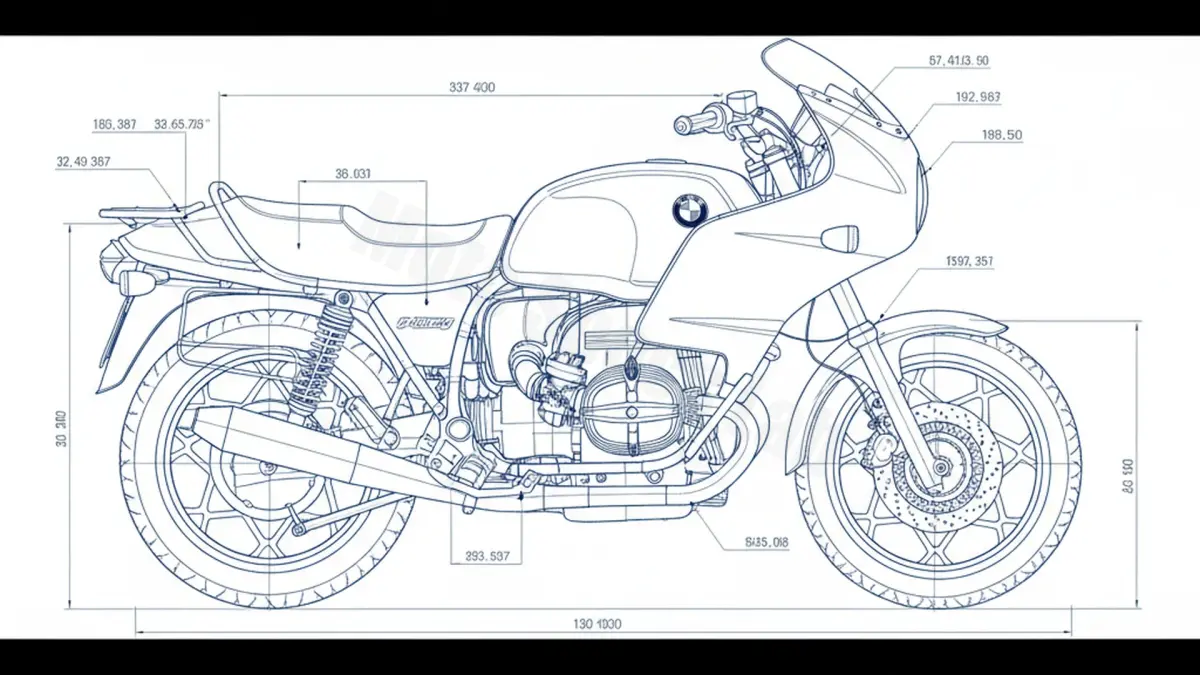
The BMW R 100 RT Monolever (Einarmschwinge) holds a unique place in motorcycling history as the refined ‘second act’ of the legendary 980cc boxer tourer. While the original twin-shock R 100 RT was phased out in 1984 due to emissions concerns, public outcry and the unmatched demand for the ‘Airhead’ character forced BMW to reintroduce the model in 1987. This iteration utilized the single-sided swingarm (Monolever) chassis architecture originally developed for the R 80 G/S, offering significantly improved torsional rigidity and simplified maintenance compared to its dual-shock predecessors.
Engineering Overview
The heart of the R 100 RT is its air-cooled, two-cylinder four-stroke boxer engine. Displacing 980cc, it produces a smooth, torque-heavy power delivery ideal for long-distance touring. The ‘Einarmschwinge’ variant is distinguished by its 18-inch wheels and the integration of the drive shaft within the single swingarm, which reduces unsprung weight and eliminates the need for rear wheel alignment during chain adjustments (as there is no chain).
Maintenance & Technical Specifications
Lubrication System
For the air-cooled boxer engine, thermal stability is paramount. MotoSpecsLab recommends SAE 20W-50 oil meeting API SF, SG, or SH standards. The system capacity is 2.5 liters. Given the lack of a water-cooling jacket, regular oil changes every 5,000 km are critical to prevent oil shear and protect the pushrod seals.
Ignition and Electrical
The R 100 RT utilizes a robust Bosch electronic ignition system. For optimal combustion, use Bosch W7DC or NGK BP6ES spark plugs, gapped strictly to 0.6-0.7 mm. The electrical system is supported by a high-capacity 12V 25Ah (DIN 52515) battery, necessary to turn over the high-compression pistons in cold weather.
Chassis and Tires
The Monolever chassis requires specific tire pressures to maintain its legendary stability at highway speeds. The front 90/90-18 should be set to 2.2 bar (32 psi) solo, while the rear 120/90-18 requires 2.5 bar (36 psi). When touring with a passenger and luggage, these should be increased to 2.5 bar and 2.9 bar respectively.
The MotoSpecsLab Verdict
The 1987-1996 BMW R 100 RT represents the pinnacle of the air-cooled era. It combines the classic ‘Airhead’ soul with improved handling characteristics provided by the Monolever rear end. For the modern collector or touring enthusiast, it remains one of the most serviceable and reliable long-distance machines ever engineered, provided the specific lubrication and tire requirements are strictly maintained.